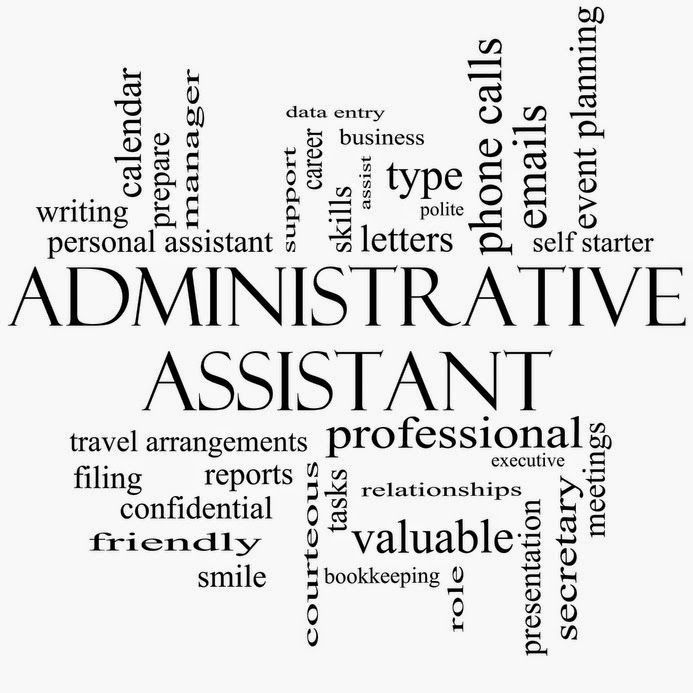
Administrative Assistants are often the unsung heroes of a business organization. The position may not entail a lot of status, but their function is critical for the smooth operation of any business.
They take care of the day to day details that keep a business running. And especially for assistants who shadow a senior manager, they end up being a nerve center for the organization as well. A high placed executive assistant will have access to and knowledge of every part of the business organization. In other words, if you really need to find out what is happening in a particular company, speaking with an executive assistant is a good idea. Not only do these folks serve as the gatekeepers, but if you can get one your side, they can also be an excellent source of intelligence for what is really going on!
At Brilliant Transportation, we often deal with executive assistants on a daily basis because these are the people who make the travel arrangements for their bosses. Since they take time out of their day to understand our business and how we can serve their needs, we thought we would return the compliment and learn more about their role in general, and also to try to be of benefit to them as well.
As the staff here at Brilliant Transportation is continually striving to improve their job performance, we figured that many executive assistants we are in touch with would be interested in advancing their careers as well. To that end, we did a little research to come up with some helpful suggestions on how to become a rockstar administrative assistant!
The Characteristics of a Great Admin Assistant
So what are the qualities that make up a great admin or executive assistant? Let’s take a look at the some the main skills you will need:
1. Competence
The first quality you need to possess is a core competence that covers basic office skills and common sense. Anyone who has gotten a good college education should be able to master this area. Of course, along with many other areas in life, the key to success is motivation and interest. If you’re not interested in administrative work, or at least interested in being good at the job you need to do, it will be difficult to succeed.
Your core competence in an administrative role means you should be able to demonstrate mastery of spelling and grammar skills, computer literacy including a solid working knowledge of MS Word, Outlook, Excel and database management.
Additional basic office skills you need to know well are practices of scheduling, payroll, collections, budgets, reports and basic accounting procedures. Not all admin jobs require the above mentioned financial reporting, but it can be a great asset. The more you know, the more valuable you are to an organization.
2. An Excellent Communicator
Being adept at communication is a requirement for almost any office job, but particularly so for executive assistants, as you will often find yourself acting as a lynchpin between different layers of your organization.
Executive assistants are often the first point of contact within an organization. They answer the phone, greet people in reception and often have to handle questions, orders, and complaints from customers and vendors alike. Admins act as a communications hub for their offices, delivering directions from the top down to the rest of the organization as well as the reverse. Front line workers in a company often go through executive assistants when they need to let managers know what is going on, as managers often have hectic schedules and are not always available to canvas their internal organization.
A terrific assistant will always answer the phones or greet people with a smile on their face, even if they don’t feel like it, because they know they have to represent their company in the best light. Also, the ability to handle angry or upset people is critical. The assistant will have to think on their feet, learn how to diffuse difficult situations and make customers or clients feel valued. They do this by having great listening skills and practicing empathy.
3. Organized and Detail Oriented
In a busy office, attention to details is a must, as is multitasking. The assistant has to wear many different hats to succeed in this role. In order to track and organize events, you have to keep up with the minute details of whatever project or agenda is on the front burner for the day.
The good assistant will be able to organize files and handle incoming and outgoing communication and mail. You might be on the phone, working a spreadsheet and opening mail at the same time. It is essential to be able to focus and know how to prioritize your workflow. They also have to handle correspondence, record keeping, bill paying, know company procedures and policies, my goodness there’s a lot to do!
Do you remember your mother telling you the importance of paying attention in school? Well hopefully you learned that lesson well, because it was all in preparation for your day job. This is where things get real. A failure at school may only result in getting a F in a class. But failure on the job could mean unemployment. So stay sharp!
4. Master of Time Management
This is one of the most important skills sets that you need to master in order to become a superior admin assistant. Your job will probably keep you very busy, particularly if you work in a face paced industry. You won’t survive the deluge if you can’t manage your time on a daily basis in an effective manner.
This isn’t something they really teach in schools, so the best you can do is learn on the job. If you’re lucky, you may receive some formal training in this regard from your employer or manager, but if not, emulate people in your company that know how to get things done! As an assistant, different people will always be asking for your time or to help them with some project or other.
You may not always be able to say no, so make sure to complete tasks efficiently, and don’t get pulled into too many random tasks at once. Take care of our boss and your department first before dealing with others. Learn to prioritize and create a daily to-do list. Learn to handle urgent matters immediately. The quicker you can resolve an issue, the quicker you can cross items off your to do list.
5. Industry Savvy
Having an understanding or experience in the industry you are working in, or apply to work in will always give you a leg up on the competition. This is one of those knowledge categories that fall under on-the-job training. Sometimes, especially in entry level positions, of which an administrative professional can be one, no prior knowledge of your specific industry may be required, but there is the expectation that you will learn quickly on the job, and absorb the critical lingo and concepts that are used everyday in your field.
Of course, the more industry specific knowledge you can offer an employer, the more valuable you become. But the main point is know that general administrative skills will always have to applied in a specific environment, whether it be legal, or sales or manufacturing or retail or real-estate, or whatever industry you find yourself in. Do yourself a favor by learning as much about your industry as you can, so you can become a resource for your company. Many times, senior executives are happy to mentor junior staff members, as long as they feel their needs are being taken care of in the process.
Every trade has it tool set. Plumbers must know wrenches, contractors need to know how use a hammer and measuring tape. Admin Assistants work with office technology, so a solid working knowledge of these tools is essential.
The Microsoft Office Suite has been the standard for office technology for decades, and while you need to know this, being familiar with additional computing platforms like Mac and Linux will be of great help.
Your tools are varied and ever changing as every year brings new models of equipment on the market. You’ll need to master everything from computers to photocopiers to fax machines (and yes, these are still in use in many offices!) Assistants also work with software for word processing, desktop publishing database management and spreadsheets. Assistants must also be comfortable adapting to new technology as well as troubleshooting equipment as well.
7. Professional Attitude and Appearance
As they will tell you in Job Training 101, dress for success! Almost every job type comes with a uniform or standard attire, and for Administrative Assistants it is usually office casual. For more high profile executive assignments you may be expected to wear a suit and tie for men or a dress or suit pants for ladies. This may seem superficial, but the better dressed you are, or the more professional you look, the more respect you role commands. So look good, because in many cases you may be representing your company to the public at large. Equally important to dress is body language and behavior. Even if you’re not in front of the public, your bosses will take note of your personal demeanor. Pay attention and don’t slouch, be polite and look busy, even if you aren’t at the moment. These little details can help make your career!
8. Deals With Office Politics and Confidentiality
Whether you like it or not, your job as an executive assistant will keep you right in the middle of things, and it become more important the higher up in the organization ladder you are. In an office setting, that means dealing with office politics and confidentiality issues. Assistants often have to deal with complaints from customer or employee problems, sometimes professional, but also sometimes personal issues as well. The best advice I can give is to stay neutral and be diplomatic. Failing that, you should then advocate for your boss’s or department’s best interest. Your job isn’t necessarily to resolve these issues, that is often handled at the manager level, but you will have to act as a messenger or liaison, so always try to be fair and helpful.
Regarding confidentiality, you may have to handle sensitive documents or knowledge at times and your job is protect that confidentiality. At no time should you leak sensitive information or be a gossip. That could sink your career real quick and in some cases lead to dismissal as well.
9. Possesses Good Judgment
This is one of those job qualities that isn’t often listed in the job description, but falls more under common sense. To be an effective assistant, you’ll need to exercise good judgment, and the more experienced your judgment is, the more effective and valuable you can become. Assistants often work without a lot of direction, so being able to make sound decisions without supervision is necessary. A quality assistant needs to anticipate or recognize problems and be able to refer them quickly to right person or department for resolution. You also need to be able to understand logic, reasoning and conceptualization skills to determine the pros and cons of solutions to problems you are facing.
10. A Team Player
This is the type of advice that they often immortalize on inspiration posters, but as cliched as it may sound, it’s really true. You’re job as an executive assistant can be a kind of catch all assignment.
Many times, it will be expected that you’re the one the make the coffee, or go pick up lunch, or clean out an old storage room or whatever! My best advice is do all that you are asked to do with a smile and as much enthusiasm as you can muster. Executive assistants are general helpers, so be that, help where you can, even taking on tasks that may not be assigned but need doing. You’ll impress your boss with your initiative.
Also, don’t forget, executive assistant jobs are often stepping stones to higher management positions. If you have a great work ethic, and there’s room for advancement at your company, your efforts will be noticed and your hard work could lead to much bigger things!